Connect this guide with the rest of your visit in the Kuala Lumpur trip planner. Read how the research is made and what its sources establish.
At a glance
Start here
- Learn technique at the National Textile Museum before shopping.
- Ask Central Market sellers who made an object and how.
- Use Royal Selangor to examine pewter as Kuala Lumpur industrial heritage.
- Compare local craft with broader Islamic art traditions at IAMM.
01
Choose one material question for the trail
Start with a question narrow enough to follow across different institutions. How does a flat material become a patterned surface? How do repeated geometric motifs change between cloth, metal and architecture? What separates a handmade process from a souvenir category? The official collections support several routes: weaving and embroidery at the textile museum, contemporary art-and-craft retail at Central Market, pewter processes at Royal Selangor, and a wide material range at IAMM. Write the question down before visiting. It will keep the day coherent when displays, shops and workshop offers compete for attention, and it avoids treating every attractive object as equivalent evidence.
- Technique route: weaving, embroidery, casting and finishing.
- Pattern route: geometry, flora, script and repeated borders.
- Origin route: museum label, maker account and seller explanation.
02
Start with textile vocabulary near Merdeka Square
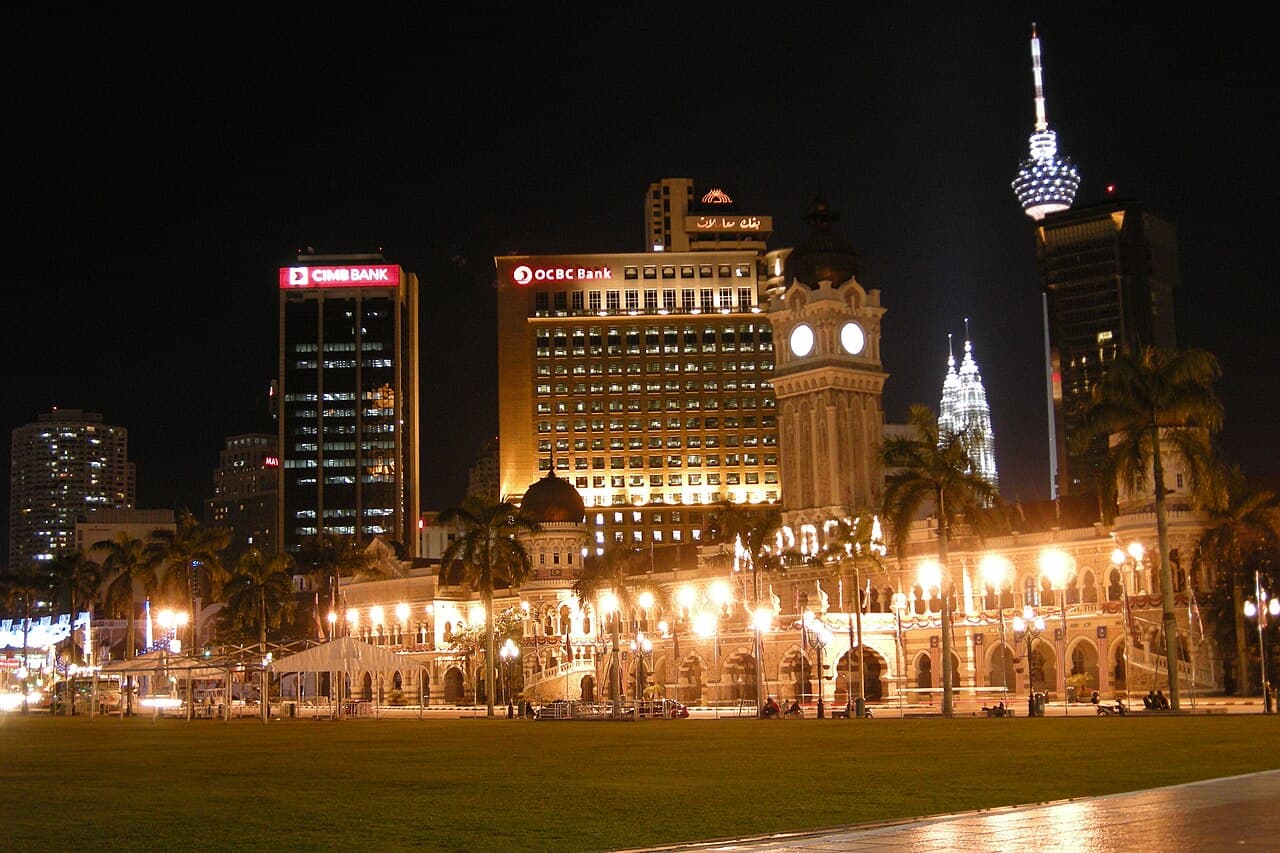
The National Textile Museum gives precise language to materials often flattened into a single shopping label. Its official page describes weaving, batik-making, embroidery, gold-thread work, knitting and beading, with galleries covering traditions from across Malaysia. Follow one method through several communities instead of attempting to memorise the entire collection. For example, compare how woven structure differs from surface embroidery, then notice how metal thread or beads alter light and weight. The museum building also belongs to the historic civic core, making this an effective first stop before Central Market. Check the institution's current page for gallery access and visitor arrangements.
- Identify whether pattern is woven, printed, embroidered or applied.
- Compare technique across more than one cultural tradition.
- Record unfamiliar terms for later questions at the market.
03
Turn Central Market into a question-led visit
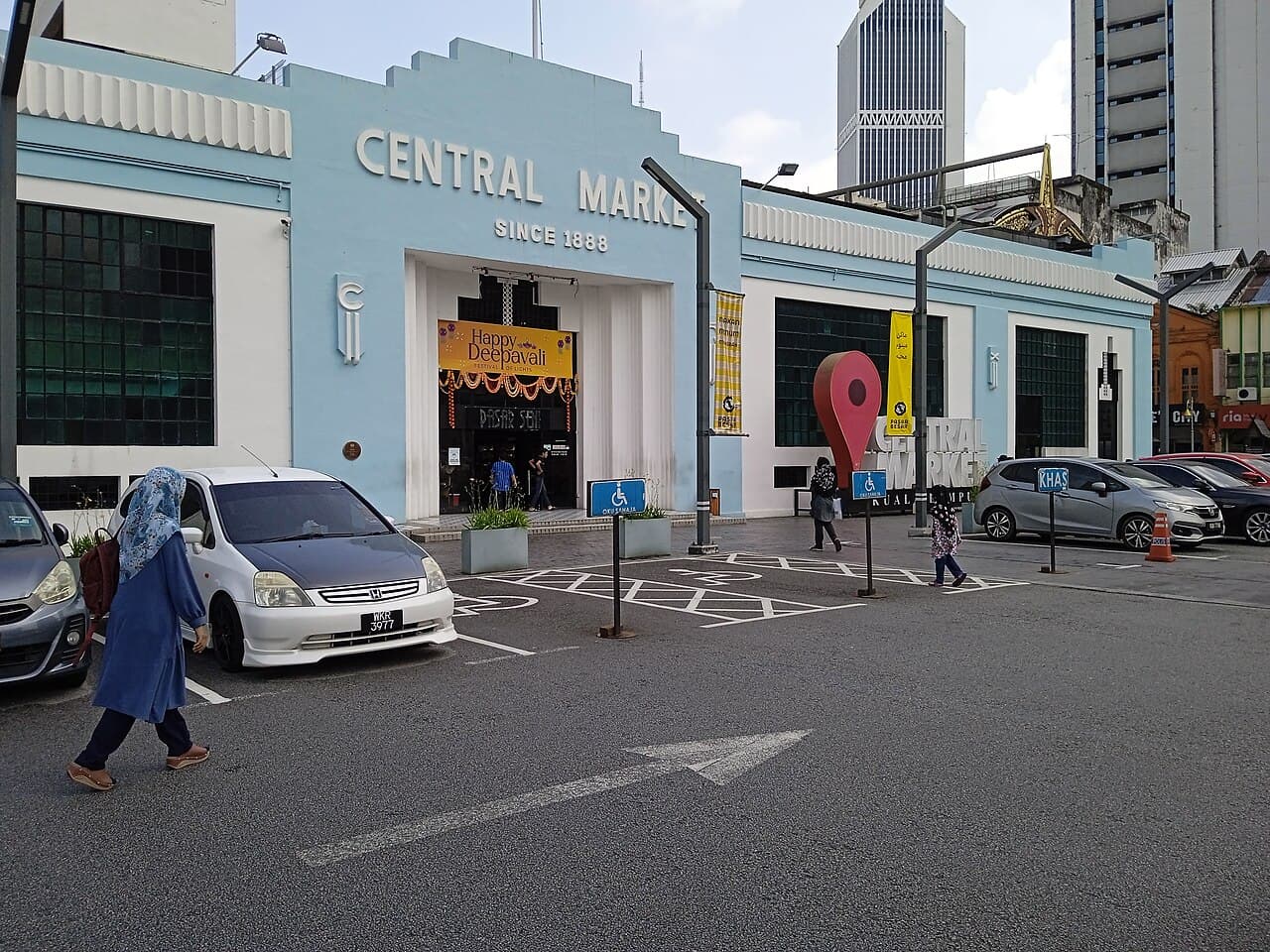
Central Market describes itself as an 1888 wet market transformed into a centre for Malaysian culture, art and craft. That history makes the building a strong place to compare preservation with commercial reuse. Inside, apply the vocabulary learned at the museum. Ask what material an object uses, where it was made, whether a named technique describes construction or decoration, and who can explain the maker's process. A market label is not the same as a museum catalogue, and the range can include objects produced in different ways. The reward is not proving sellers wrong; it is buying, or choosing not to buy, with clearer information.
- Ask about maker, place of production, material and technique.
- Distinguish a building's heritage from each product's provenance.
- Check the official events page if a live demonstration matters.
04
Follow Kuala Lumpur's pewter story at Royal Selangor
Royal Selangor's official visitor-centre site frames pewter craft as part of Kuala Lumpur's history and offers a factory-focused visitor experience. This stop shifts the trail from textiles and retail to metal, tools and production. Look for stages: forming, joining, surface treatment and quality control. Workshops may be offered, but their price, schedule, age conditions and availability belong to the current booking page, not an evergreen promise. The visitor centre is outside the Merdeka-Pasar Seni walking cluster, so give it a separate travel block. Use the official directions and booking information rather than presenting it as a quick extension of Central Market.
- Study process stages before focusing on finished products.
- Check the official site for current tours and workshop booking.
- Plan Setapak as a separate transfer from the heritage core.
05
Compare material traditions at IAMM
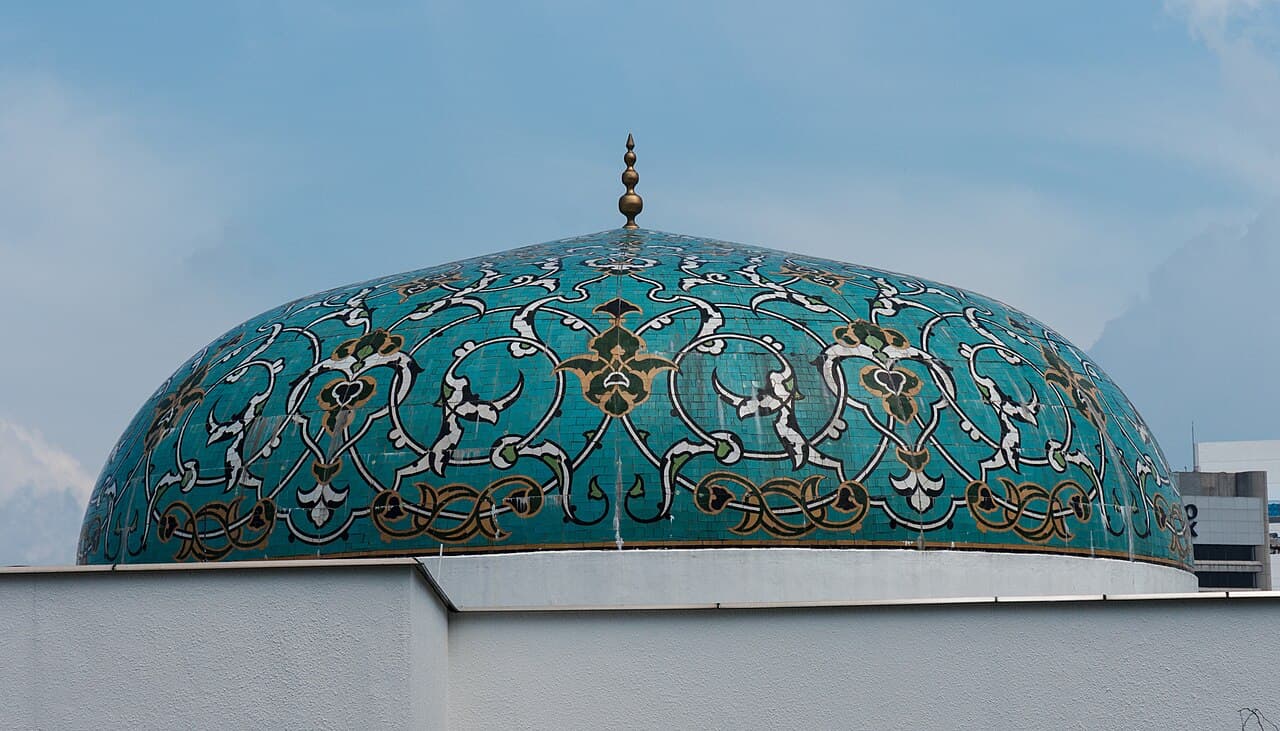
IAMM expands the trail beyond Malaysian production without losing the local connection. Its permanent galleries include textiles, metalwork, ceramics, jewellery, wood, manuscripts and a dedicated Malay World gallery. The museum says its collection gives special weight to China, India and the Malay World, inviting comparisons that cut across a simple Middle East-versus-Southeast Asia frame. Choose two materials already encountered, such as textile and metal, and compare how pattern travels between regions and object types. The museum's tiled entrance and domes add architecture to the same enquiry, showing how craft knowledge can move from a handheld surface to an entire building.
- Compare the same material across two regions.
- Compare one motif across an object and the museum building.
- Use the official museum map to select rather than rush the galleries.
06
Evaluate craft without inventing authenticity rules
No single visual test can prove that an object is handmade, locally made or produced by the tradition named on its label. Use evidence available at the point of sale: a maker name, a workshop explanation, materials, documented process and a seller willing to distinguish production methods. Museums supply context, not certificates for nearby retail. Likewise, a brand-operated visitor centre can explain its own production but cannot validate every object elsewhere. Avoid declaring one technique more authentic than another without institutional or maker evidence. If provenance matters, ask for information you can retain and decide whether the answer is specific enough for the purchase you are considering.
- Ask for specific provenance rather than relying on visual confidence.
- Separate cultural inspiration from documented place of manufacture.
- Leave an object when the available information does not meet your purpose.
07
Build two practical clusters instead of one forced walk
For the heritage core, pair the National Textile Museum with Central Market and the exterior architecture around Merdeka Square. For a second block, choose Royal Selangor if process and production are central, or IAMM if collections and cross-regional comparison matter more. Attempt both only after checking current hours, admissions, workshop schedules and the full transfer. This two-cluster method also creates a useful sequence: learn vocabulary, test it in a retail setting, then deepen the material question through production or museum comparison. Link this guide with the museum article for collection choices and the Islamic-design feature for architecture.
- Cluster one: National Textile Museum and Central Market.
- Cluster two option: Royal Selangor for production.
- Cluster two option: IAMM for cross-regional collections.
Useful answers
Reader questions
Is this Kuala Lumpur craft trail fully walkable?
No. The National Textile Museum and Central Market form a compact heritage-core pair. Royal Selangor's visitor centre and IAMM require separate route planning, so use two clusters or two days.
Sources: Department of Museums Malaysia; Central Market Sdn Bhd; Royal Selangor; Islamic Arts Museum MalaysiaWhere should I learn about Malaysian textile techniques?
Start at the National Textile Museum. Its official gallery descriptions cover weaving, batik, embroidery, gold-thread work, beading and textiles from several Malaysian communities and regions.
Sources: Department of Museums MalaysiaDoes Royal Selangor offer craft workshops?
Its official visitor-centre site lists workshop experiences, but availability, conditions, duration and price can change. Use the live booking page for the visit date rather than relying on an older description.
Sources: Royal SelangorHow can I tell whether a market object is locally made?
Ask for the maker, production location, material and technique. A heritage-market setting does not prove each object's origin, so base the decision on specific information from the seller or maker.
Sources: Central Market Sdn BhdRead the evidence
Sources and further reading
These sources support the relevant sections above. Plans and comparisons are editorial suggestions. Check operators for current arrangements.
- National Textile Museum ↗Department of Museums Malaysia · Research date 14 September 2026
Textile galleries, techniques, named traditions, building location and current visit information.
- Central Market Kuala Lumpur ↗Central Market Sdn Bhd · Research date 14 September 2026
Market's 1888 origin, current art-and-craft role, official events and visitor information.
- Royal Selangor Visitor Centre ↗Royal Selangor · Research date 14 September 2026
Pewter heritage, visitor-centre experience, official directions, tours and mutable workshop booking details.
- Islamic Arts Museum Malaysia ↗Islamic Arts Museum Malaysia · Research date 14 September 2026
Permanent material-based galleries, Malay World gallery and current institutional information.
- About the Museum ↗Islamic Arts Museum Malaysia · Research date 14 September 2026
Regional collection emphasis and craft details in the museum's entrance, domes and interior.
- Visit Us ↗Islamic Arts Museum Malaysia · Research date 14 September 2026
Official museum location and current visit-planning information.